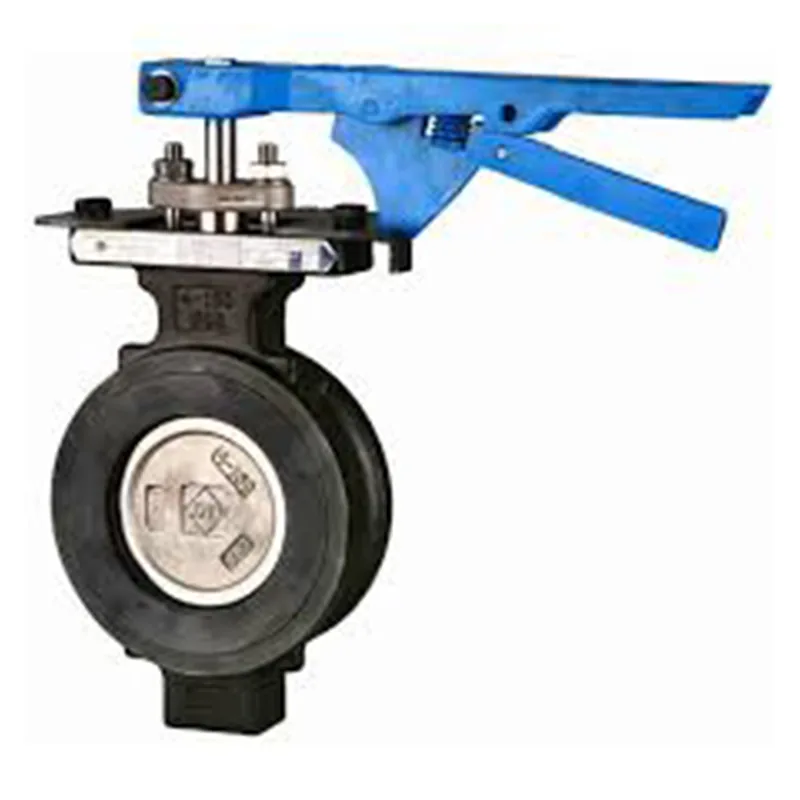
Automating a quarter-turn valve — a ball, butterfly or plug valve — looks simple on paper: pick an actuator, bolt it on, connect the supply. In practice, the difference between a package that runs for years and one that fails in months usually comes down to a handful of decisions made at the selection stage. This guide walks through the factors that matter, in the order you should normally consider them.
Start With the Valve Torque Requirement
Every actuator selection begins with the torque the valve actually demands. Seat materials, media, differential pressure, and the state of the valve after years in service all push the required torque up or down. Always work from the valve manufacturer's stated torque figures rather than rules of thumb, and leave a safety margin for breakaway — the highest torque point, typically at the start of opening against full differential pressure.
| Valve condition | Torque behaviour | Selection note |
|---|---|---|
| Breakaway (opening) | Highest | Size the actuator to this figure plus margin |
| Running (mid-travel) | Lower | Rarely the sizing case |
| Seating (closing) | High | Check against actuator output at end of stroke |
A common practical approach is to apply a safety factor to the manufacturer's breakaway torque and confirm the actuator's output torque curve covers the whole stroke — not just a single quoted figure.
Choose Between Pneumatic and Electric Actuation
Both technologies automate quarter-turn valves well; they differ in supply infrastructure, speed, stiffness and failure behaviour. Some typical trade-offs:
- Pneumatic actuators are simple, fast and inherently suited to hazardous areas when paired with certified solenoid valves and limit switches. They need a clean, dry air supply at adequate pressure.
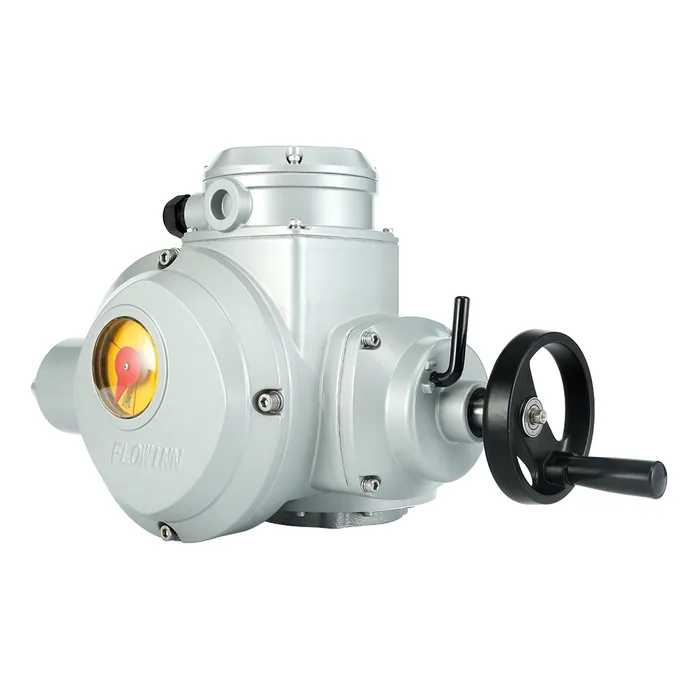
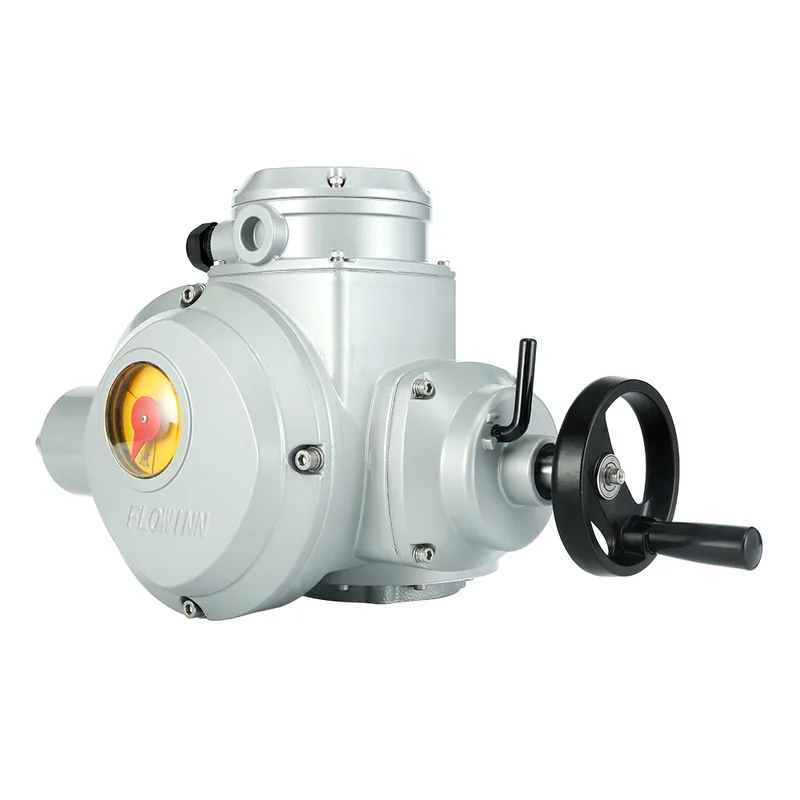
- Electric actuators only need power, hold position without consuming energy, and integrate easily with control systems for modulating duty. They are typically slower and need consideration for duty cycle.
- Duty type matters: frequent cycling favours pneumatic; infrequent operation and remote locations without air supply favour electric.
- Modulating control is available in both — electropneumatic positioners on the pneumatic side, and 4–20mA or fieldbus-controlled modulating electric actuators on the other.
Consider Fail Position and Control Requirements
What should the valve do when the supply or signal is lost? The answer drives both the actuator type and its configuration.
Fail Open
Spring-return pneumatic actuators can be configured to drive the valve open on loss of air. On the electric side, fail-open behaviour needs either a spring-return package or a stored-energy/UPS-backed control arrangement, which adds cost and complexity.
Fail Closed
The mirror case: spring-return actuators drive the valve to the closed position on failure. For services where the safe state is closed — many isolation duties, for example — this requirement alone often decides for a spring-return pneumatic package.
Review Available Air Supply or Electrical Power
The best actuator choice is one the site can actually support. For pneumatic packages, check air pressure and volume at the valve location, and whether an air filter-regulator (with lubricator where appropriate) is installed upstream. For electric actuators, confirm voltage availability, power quality, and the cabling required for motor and control circuits — plus any backup-power expectations for fail-action.
Consider Environmental Conditions
Enclosure rating, temperature range and area classification narrow the options quickly:
- Outdoor or wash-down installations need appropriate enclosure protection for dust and water ingress.
- Hazardous areas call for certified equipment — for example explosion-proof solenoid valves and limit switches — matched to the zone and gas group.
- Corrosive or coastal atmospheres favour specified coatings and materials on both actuator and accessories.
- High or low ambient temperatures affect seals, lubricants and electronics; check the actuator's stated temperature range.
Check Accessories and Controls
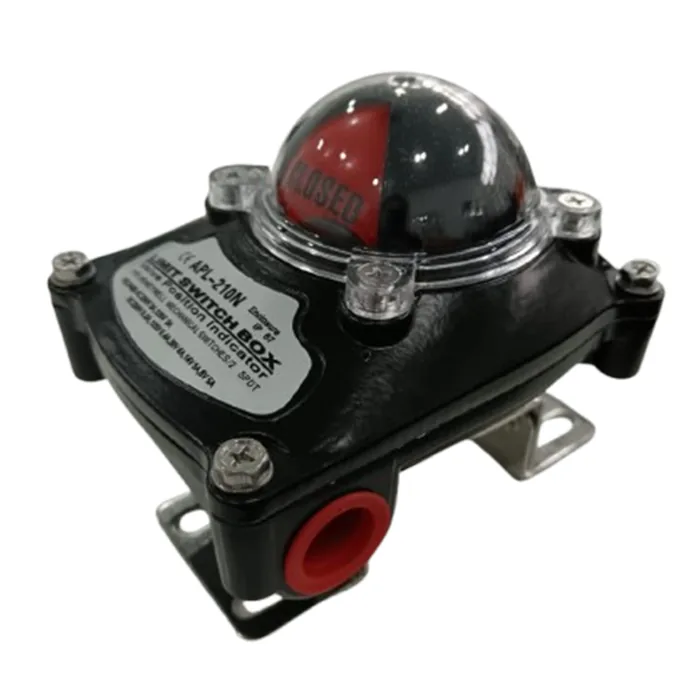
An actuator rarely ships alone. Limit switch boxes confirm open/closed position back to the control system; positioners translate a control signal into a stem position for modulating service; solenoid valves pilot the air supply. Make sure the accessories are specified for the same environment and duty as the actuator, and that the package is tested as a unit before it reaches site — the way GPRO assembles and checks automated valve packages before delivery.
Size to breakaway, choose by failure behaviour, and let the site's supply — air or power — make the final decision.
Final Selection Considerations
With torque, supply, failure action and environment settled, the remaining checks are practical: confirm the interface standard between valve and actuator (mounting flange and drive geometry), verify the package fits the pipeline arrangement, and review spare-part support for the years ahead. If any step is unclear, involve the supplier early — a short conversation about the application almost always beats a wrong assumption at ordering.